Poppin Story: A Retro and Magical Display Font for Modern Design Workflows
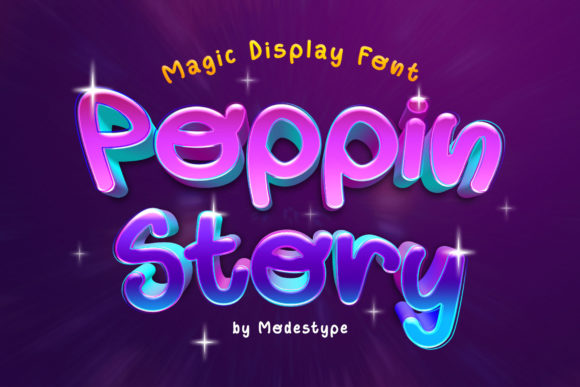
When it comes to typography, the right font can make a significant difference in how a message is perceived. Poppin Story is a retro and magical display font that stands out for its unique aesthetic and versatility. Designed with a playful yet sophisticated edge, it blends nostalgic charm with contemporary design principles. This makes it an excellent choice for a wide range of creative projects, from digital marketing materials to print-based designs.
Understanding where Poppin Story fits into your broader design process is essential. Whether you're working on a project from scratch or refining an existing concept, this font can enhance visual storytelling and help convey the right tone. Its adaptability allows it to integrate seamlessly into various workflows, making it a valuable addition to any designer's toolkit.
Understanding Poppin Story’s Role in the Design Process
Poppin Story is more than just a decorative font—it’s a tool that supports creative expression and communication. It works well in scenarios where a bold, eye-catching typeface is needed to capture attention and evoke emotion. From online games to social media covers, its presence can elevate the overall look and feel of a design.
Before starting a project, consider how typography contributes to the final outcome. Poppin Story can be used during the brainstorming phase to inspire visual direction or during the execution stage to add personality to layouts. Its retro style can also serve as a reference point when developing a cohesive brand identity.
During the review and refinement stages, Poppin Story can help test how different fonts interact with other design elements. This ensures that the chosen typeface complements the overall composition without overshadowing it. By experimenting with Poppin Story early in the process, designers can identify potential issues and make adjustments before finalizing their work.
Integrating Poppin Story into Different Workflows
The practical application of Poppin Story depends on the specific needs of a project. For instance, in digital marketing, it can be used for YouTube thumbnails and cover images to create a memorable visual identity. In educational settings, it might appear on school supplies or event posters to engage younger audiences.
For entrepreneurs and small business owners, Poppin Story can be a powerful asset in branding efforts. When designing logos, social media posts, or promotional materials, using a distinctive font like Poppin Story helps differentiate a brand from competitors. It adds a layer of creativity that can resonate with target audiences.
In the realm of content creation, Poppin Story can be used to enhance video thumbnails or blog headers. These elements are often the first point of contact between a creator and their audience, so having a visually appealing font can increase engagement and click-through rates.
Practical Implementation Tips for Using Poppin Story
To get the most out of Poppin Story, start by understanding its characteristics. The font has a hand-drawn quality that gives it a whimsical and personal touch. However, this also means it may not be suitable for all types of content. For example, it may not work well in formal documents or professional reports where clarity and readability are paramount.
When integrating Poppin Story into your workflow, consider the following tips:
- Test compatibility: Ensure the font works across different platforms and devices. Some systems may not support custom fonts, so it’s important to check how it appears in various environments.
- Use it strategically: Apply Poppin Story to key elements such as headings, titles, or call-to-action buttons. Avoid overusing it, as this can lead to visual clutter.
- Pair it with complementary fonts: Combine Poppin Story with more traditional typefaces to balance its uniqueness with readability. This creates a harmonious design that still stands out.
- Adjust spacing and sizing: Proper kerning and line height are crucial for maintaining legibility. Experiment with different sizes and spacing to find the optimal look for your project.
By following these guidelines, users can ensure that Poppin Story enhances their designs rather than detracts from them.
Workflow Examples with Poppin Story
Let’s explore a few real-world scenarios where Poppin Story can be effectively used:
- Online Game Branding: When creating a logo or title screen for an indie game, Poppin Story can add a nostalgic flair that appeals to fans of retro gaming. Pair it with bold colors and dynamic graphics to create a cohesive theme.
- Social Media Campaigns: For a teen-focused event poster or a music festival announcement, Poppin Story can be used in headlines to grab attention. It works particularly well on Instagram or TikTok where visual impact is key.
- YouTube Content: As a YouTube thumbnail or cover image, Poppin Story can make content more recognizable. It adds a playful element that encourages viewers to click and engage with the video.
- Print Materials: In school supplies or event flyers, Poppin Story can bring a sense of fun and creativity. It’s ideal for projects aimed at younger demographics who respond well to vibrant and expressive designs.
These examples illustrate how Poppin Story can be adapted to different contexts while maintaining its core appeal.
Long-Term Use and Consistency
Consistency is key in any design workflow. When using Poppin Story over time, it’s important to maintain a cohesive visual language across all materials. This helps build brand recognition and ensures that the font remains effective in different applications.
Designers should also consider how Poppin Story aligns with long-term goals. If it’s part of a brand’s identity, it should be used consistently across all touchpoints. This includes websites, social media, printed materials, and digital ads.
Additionally, staying updated on font trends and user feedback can help refine how Poppin Story is used. While it has a strong character, adapting it to evolving design standards ensures that it remains relevant and impactful.